
No-Bake Summer Recipes Worth Bringing to Every Backyard GatheringAmerican summers run long, but the cookout window — from Memorial Day through Labor Day — is when backyard entertaining

Dated: February 25 2026
Views: 10
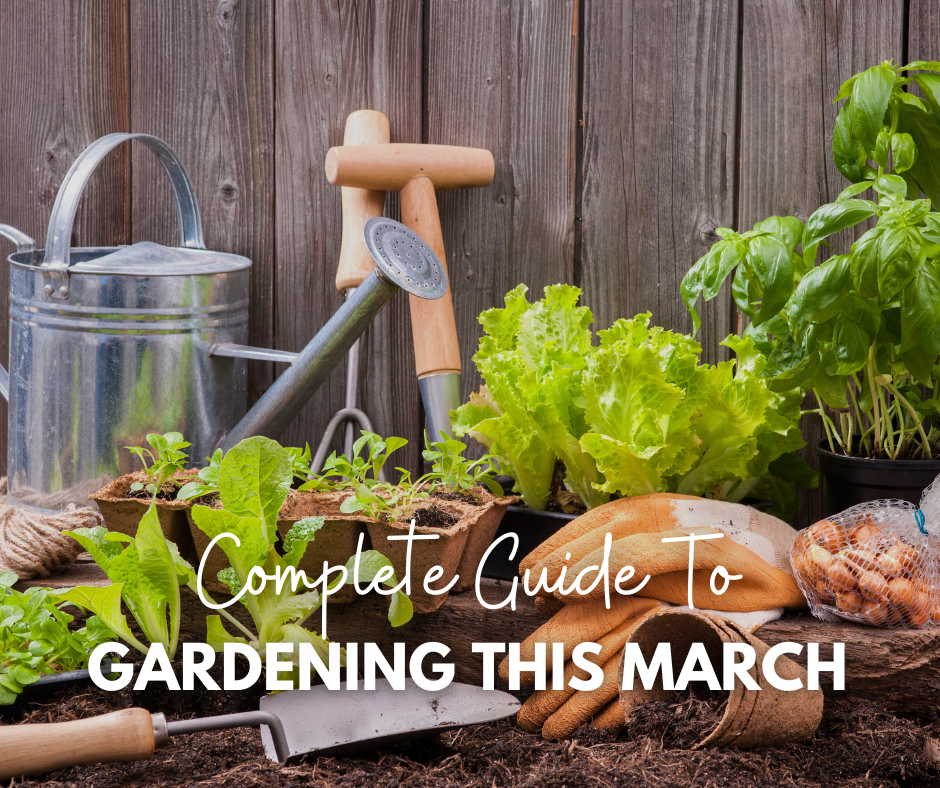
Fresh Starts: Your March Planting Guide
March carries a quiet sense of promise. The days are getting longer, sunlight feels stronger, and you can almost sense your yard preparing to wake up. While it may not be full planting season just yet, what you do now lays the groundwork for a vibrant spring and summer ahead.
In cooler climates, March is about preparation, patience, and smart early moves.
Hold Off on Heavy Pruning
After a long winter, many shrubs and perennials can look brittle or weathered. It’s tempting to cut everything back immediately, but early-season growth can be easily damaged if temperatures dip again.
Before pruning, check stems for signs of life. Scratch the surface lightly — green beneath the bark indicates living tissue. Wait until consistent mild weather settles in before removing larger sections of growth.
Pruning at the right time protects new buds and prevents unnecessary stress on plants that are just beginning to transition out of dormancy.
Rebuild and Refresh Your Soil
Winter snow, ice, and freezing temperatures can compact soil and reduce oxygen flow to roots. March is the ideal time to gently loosen garden beds once the ground is workable.
Incorporate compost or organic matter to restore nutrients and improve structure. Avoid working soil while it’s overly wet, as that can cause further compaction.
If you want precise recommendations, your local university agricultural extension can provide soil testing and region-specific planting calendars tailored to your area. Their guidance helps ensure you’re adding the right amendments at the right time.
Healthy soil now supports stronger growth once planting season fully begins.
Start Cool-Season Crops and Indoor Seeds
While it may be too early for tender vegetables outdoors, March is perfect for cool-season crops that tolerate light frosts. Lettuce, spinach, peas, kale, radishes, and onions perform well in early spring conditions.
This is also the time to start warm-season vegetables indoors. Tomatoes, peppers, and herbs benefit from several weeks of indoor growth before transplanting. Starting seeds now gives plants a head start and allows them to be ready when outdoor temperatures stabilize.
Staggering seed starts can also help extend your harvest later in the season.
Incorporate Native and Hardy Perennials
March is an excellent time to plan long-term landscaping improvements. Native plants and hardy perennials are especially valuable in colder regions because they are naturally adapted to local soil conditions and seasonal weather shifts.
Native species often require less water, recover well after winter, and support pollinators as soon as temperatures warm. Incorporating them into your landscape improves resilience and reduces long-term maintenance.
Planning and sourcing these plants now ensures you’re ready to install once the ground consistently warms.
Refresh Mulch and Define Garden Beds
As snow melts and soil begins to dry, redefine bed edges and apply a fresh layer of mulch. Mulch helps insulate roots during early spring temperature swings and suppress emerging weeds.
Keep mulch a few inches away from plant crowns and tree trunks. Clean bed lines and fresh mulch can dramatically improve curb appeal, even before flowers begin to bloom.
Support Your Cool-Season Lawn
Cool-season grasses begin greening up as soil temperatures rise. Early spring lawn care should focus on recovery and root strength rather than aggressive growth.
Gently rake away debris and matted grass to improve airflow and sunlight exposure. Wait until you see consistent greening before applying fertilizer. Feeding too early can stress grass that is still transitioning out of dormancy.
If you notice thin areas, early spring is a good time for overseeding cool-season varieties once soil temperatures are appropriate. Keep newly seeded areas evenly moist until established.
For the first few mowings, keep blades slightly higher to encourage deeper root development and reduce stress.
Final Thoughts
March gardening in colder climates is about setting the stage. Clear winter debris, improve soil health, start seeds indoors, and plan thoughtfully for the season ahead.
The work may feel subtle now, but it creates the foundation for stronger blooms, healthier vegetables, and thicker turf once spring fully arrives.
A steady, patient approach this month ensures your landscape is ready the moment the growing season truly begins.

With over 10 years of navigating Portland’s ever-evolving real estate market, Manny Obi has become a name synonymous with trust, expertise, and results. Whether you're buying, selling, or invest....
No-Bake Summer Recipes Worth Bringing to Every Backyard GatheringAmerican summers run long, but the cookout window — from Memorial Day through Labor Day — is when backyard entertaining
The Backyard Wellness Stack: How Infrared Saunas and Cold Plunges Became the New Backyard Must-HaveThe dream backyard hasn't changed all that much — outdoor kitchen, fire pit, comfortable
How to Keep Your Home Cool Without Cranking the ACWhen the temperature climbs, the instinct is to reach for the thermostat. But running the AC all day isn't the only way to keep your home
How to Be a Tourist in Your Own Town This SummerWith gas prices up and road trips costing more than they used to, staying local this summer is starting to look less like a compromise and more like a
 All information provided is deemed reliable but is not guaranteed and should be independently verified. IDX information is provided exclusively for consumers' personal, non-commercial use, that it may not be used for any purpose other than to identify prospective properties consumers may be interested in purchasing, and that the data is deemed reliable but is not guaranteed accurate by RMLSTM.
The content relating to real estate for sale on this web site comes in part from the IDX program of the RMLSTM of Portland, Oregon. Real estate listings held by brokerage firms other than Kelly Right Real Estate are marked with the RMLSTM logo, and detailed information about these properties includes the names of the listing brokers. Listing content is copyright © 2026 RMLSTM, Portland, Oregon.
This content last updated on September 21, 2026 1:28 PM UTC at 4 AM. Some properties which appear for sale on this web site may subsequently have sold or may no longer be available.
All information provided is deemed reliable but is not guaranteed and should be independently verified. IDX information is provided exclusively for consumers' personal, non-commercial use, that it may not be used for any purpose other than to identify prospective properties consumers may be interested in purchasing, and that the data is deemed reliable but is not guaranteed accurate by RMLSTM.
The content relating to real estate for sale on this web site comes in part from the IDX program of the RMLSTM of Portland, Oregon. Real estate listings held by brokerage firms other than Kelly Right Real Estate are marked with the RMLSTM logo, and detailed information about these properties includes the names of the listing brokers. Listing content is copyright © 2026 RMLSTM, Portland, Oregon.
This content last updated on September 21, 2026 1:28 PM UTC at 4 AM. Some properties which appear for sale on this web site may subsequently have sold or may no longer be available.
 Based on information from Willamette Valley Multiple Listing Service, which neither guarantees nor is in any way responsible for its accuracy. All data is provided AS IS and with all faults. Data maintained by Willamette Valley Multiple Listing Service may not reflect all real estate activity in the market. Copyright © 2026 WVMLS. All Rights Reserved. Information last updated on September 21, 2026 5:25 PM UTC (Demo Feed)
